

Which Steps Will You Do in a Bamboo or Rattan Weaving Class?
Match a first weaving class to the skill you want to practice, from making a flat panel to shaping a basket wall or securing the rim.
By BeenEast Editorial · Published · Reviewed
A frame can leave more time for the weave
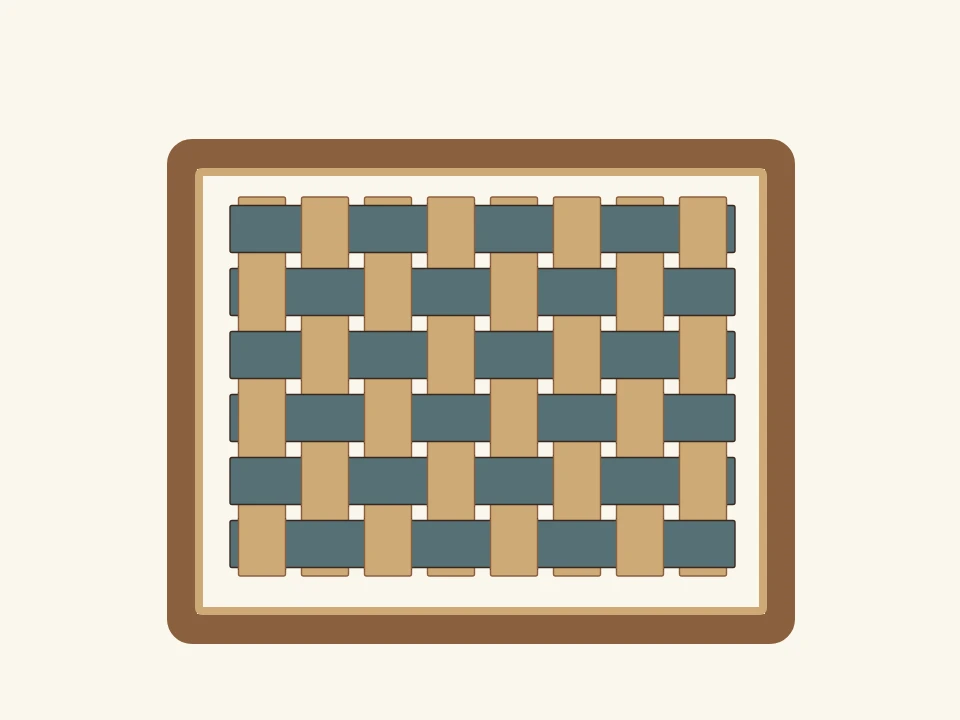
Choose your first class by the part of the piece you want to make yourself. If you want to learn how strips cross, look for a class where you weave several rows of a panel and correct a missed crossing. If you want to understand how a basket takes shape, find out whether you will turn the base strips upward to form the walls and how you will finish the rim. Ask what will already be on the table when you arrive.
In January 2024, Huaibei Museum in Anhui documented a bamboo weaving activity for primary school students. The students laid out the bamboo strips, practiced alternating over and under, trimmed the woven panels, and placed them in picture frames. In this project, the frame defined the final outline. The class report describes fitting the trimmed weave into it. The work the students practiced was making the woven surface and fitting it to that outline.
That kind of class is a good fit if you want to learn to read a row. Once you have made two rows of plain weave, check one upright strip from the same side of the work. If the first cross strip goes over it, the second goes under it. Being able to spot and rethread a crossing that breaks the pattern gives you a skill you can use on your next panel.
A prepared kit can still teach assembly
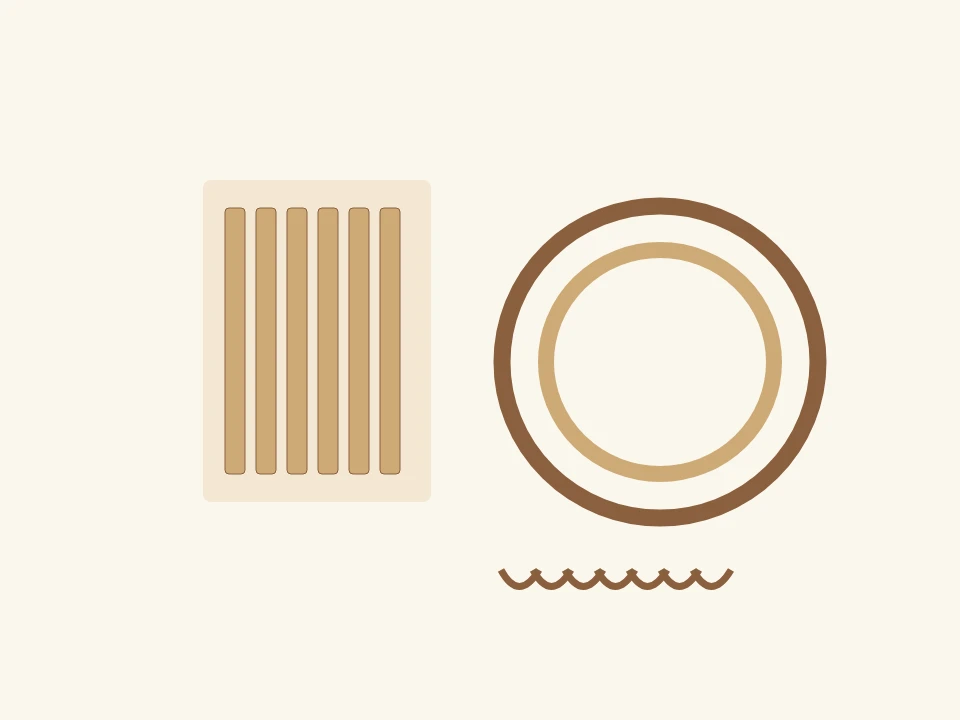
In Hangzhou, the China Academy of Art Folk Art Museum announced a bamboo tray workshop with Qian Lihuai for October 20, 2018. The handout listed prepared bamboo strips, curved bamboo pieces, and two bamboo rings. It described weaving the patterned panel and inserting the curved pieces into the assembly. The supplied components let the class work on both the panel and the assembly, with strip and ring preparation already taken care of.
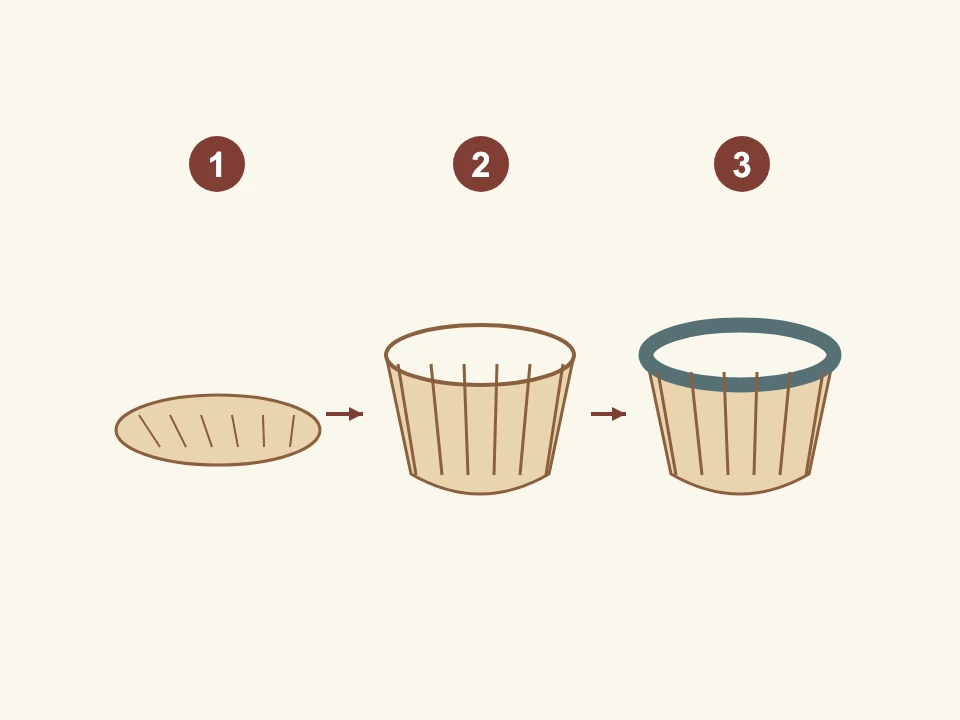
If a basket class starts from a completed base, ask who makes the turn where the strips rise to form the walls. Making that turn yourself lets you practice keeping the first wall rows aligned with the base. If the basket body is already complete and you bind the rim, your practice is in securing the edge. Ask what you will be able to see at the end. On a piece with a bound rim, for example, check whether the binding holds the strip ends in place around the whole opening.

Ask for the starting piece and the last step
The Huaibei and Hangzhou examples describe past activities. For a class you are considering now, the organizer's current announcement or contact page is the place to confirm dates and participation details. A photo of what participants receive at the start, plus a photo of what they complete in class, can make the division of work clear.
Hello, I’m interested in [class name] on [date]. I’m a beginner and would like to practice [weaving the panel / shaping the wall / finishing the rim]. What parts will be ready when we arrive? Which steps will I do myself, including the last step? If a part is difficult, will there be a close-up demonstration I can follow? Could you also confirm the teaching language and whether the piece is ready to take home that day?
If the reply says that you weave a panel and the instructor mounts it, expect time on the crossings and watch how the panel is fitted. If you want to bind a rim yourself, look for an answer that describes the edge you start with and what you will do to hold the ends. For a first class, a few rows you can read and correct on your own give you a clear starting point for the next piece.
Continue reading
References
Huaibei Museum, bamboo weaving activity report
China Academy of Art Folk Art Museum, bamboo weaving workshop