

Why Does Cloisonné Enamel Sink After Firing?
See why packed enamel settles as it fuses, how to check a cooled cell, and when to refill or pause.
By BeenEast Editorial · Published · Reviewed
Why the glass sits lower after firing
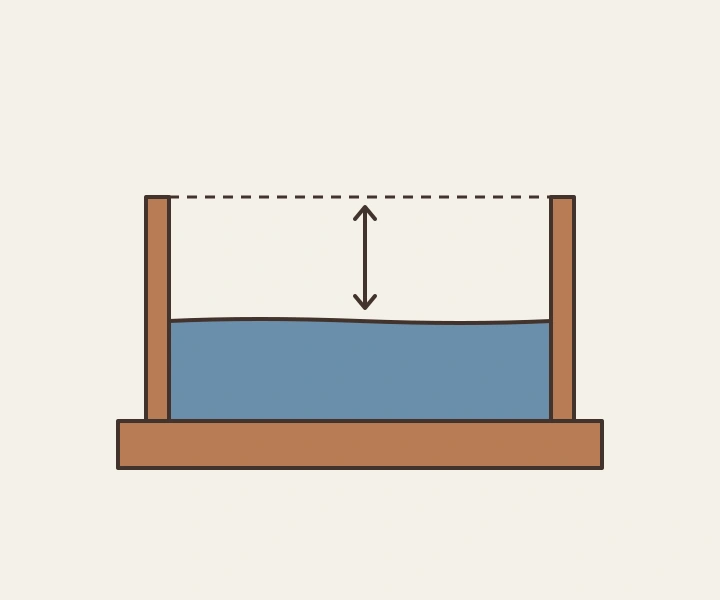
Glass grains soften and fuse in the kiln, filling the spaces between them. A cell that looked full before firing can end up below the wire tops. Once it cools, ask your instructor whether to refill if the enamel is intact and the wire is stable. If you find a crack, a loose flake, or a shifted wire, check what happened before deciding whether the piece should go back in the kiln.
Sources: Jean Tudor · The Art of Enameling: Cloisonné, student working outline · Thompson Enamel · Enameling Help and Information
Follow one cell from grains to glass
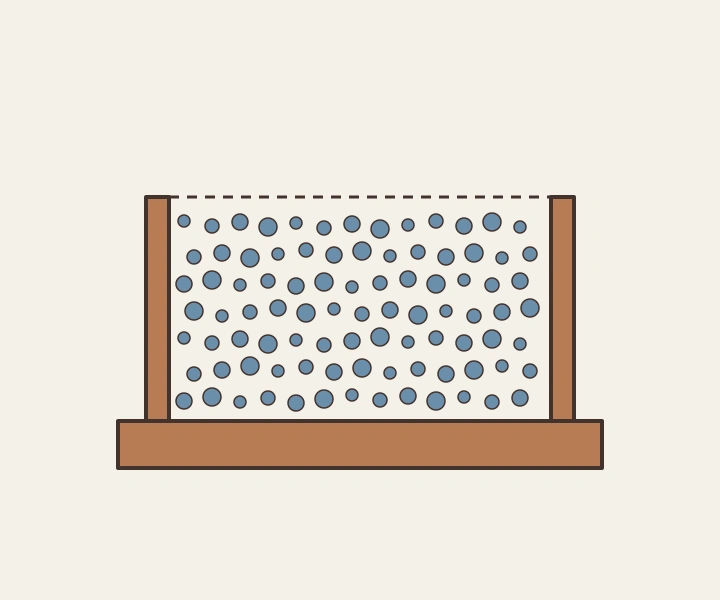
Wet packing uses water to carry glass grains into the cell. Drying removes the water, leaving spaces between the dry grains. In the kiln, the softened glass fills those spaces, so the enamel layer sits lower. The first drawing shows dry grains before firing. All three drawings use the same wire tops as a reference.
Sources: Miranda Andersen / Pocosin Arts · Introduction to Cloisonné Enameling · Woodrow W. Carpenter · Intro to Enameling: Cloisonné Pendant · Jean Tudor · The Art of Enameling: Cloisonné, student working outline
Check that the wire is still a reliable reference
Compare the joins and the exposed wire height with a photo or sketch made before filling. If a join has opened or a strip has shifted, check the attachment first. In the base-coat method, an overly thick base coat can let the wire sink. If the wire height has changed, the gap between the wire and the glass cannot tell you how far the enamel settled.
Sources: Jean Tudor · The Art of Enameling: Cloisonné, student working outline
If color crosses a boundary, look for when it first appeared. Too much water during filling can carry grains into the next cell. A photo taken only after firing cannot tell you when the grains crossed.
Sources: Woodrow W. Carpenter · Intro to Enameling: Cloisonné Pendant
Read the cooled cell before you refill
After cooling, inspect the same cell under the same light and from the same angle. Check the wire first, then record the glass level against the wire tops. Note separately whether the surface is intact and whether color has crossed a boundary. A low cell with intact glass calls for a different response from a low cell with a loose edge.
Sources: Thompson Enamel · Enameling Help and Information
Refill for the finish you want
In Pocosin Arts’ level-polished exercise, repeated filling and firing build the glass up to the wire tops. Ask your instructor which intact low areas need more enamel. Grinding removes high spots and cannot fill a depression. A raised finish has a different target.
Sources: Miranda Andersen / Pocosin Arts · Introduction to Cloisonné Enameling · Jean Tudor · The Art of Enameling: Cloisonné, student working outline
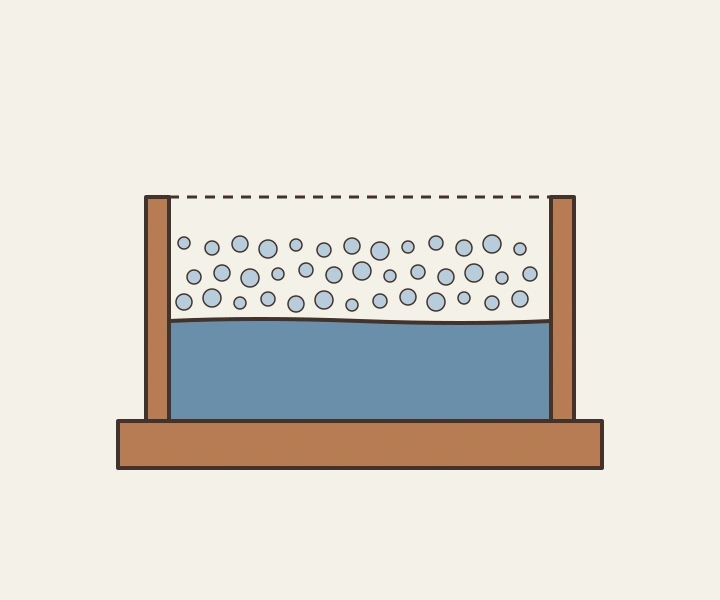
Dry the new fill as directed and have your instructor guide the next firing. After cooling, check the same cell against the same wire tops.
Sources: Miranda Andersen / Pocosin Arts · Introduction to Cloisonné Enameling
Pause for a crack, a loose patch, or moved wire
Fusing lowers the fill. Cracking or lifting can involve stress as the piece cools. Differences in how metal and glass contract, uneven layers, and the choice of materials can all affect the result. The surface alone cannot establish the cause.
Sources: Jean Tudor · The Art of Enameling: Cloisonné, student working outline · Thompson Enamel · Enameling Help and Information
Before refilling, mark the spot and compare it with earlier photos. Then review the wire, grain placement, and drying. Finally, check the metal, enamel, and firing records with your instructor against the studio’s instructions. Once you have checked the problem, decide together whether to try again.
Make the next sample answer one question
If the same end of an intact cell keeps turning out low, make another sample with your instructor. Keep the pattern, materials, and firing plan the same and change only how evenly you spread the grains. Once it cools, compare that end against the same wire reference. A smaller difference suggests that grain placement may affect the result in this setup. Check separately if you change the metal or enamel.
Continue reading
References
Jean Tudor · The Art of Enameling: Cloisonné, student working outline
Thompson Enamel · Enameling Help and Information
Miranda Andersen / Pocosin Arts · Introduction to Cloisonné Enameling
Woodrow W. Carpenter · Intro to Enameling: Cloisonné Pendant