

Cutting a Chain of Paper Figures
Fold one strip of paper three times, cut a half figure, and open the strip to see how four people stay joined at the hands.
By BeenEast Editorial · Published · Reviewed
Fold a strip into eight panels
The hands hold a paper chain together because a short stretch of each connecting fold stays uncut. This four-person version starts with one long strip. Three folds make eight stacked panels. The half figure you draw on the stack becomes four whole figures when you open it.
Start with a long rectangular strip of ordinary paper, a pencil, and scissors that cut the folded layers cleanly. Bring the short ends together and crease the paper. Fold the shorter strip in half twice more the same way. Each fold makes the stack narrower while leaving enough height for a head, arm, and leg. Keep the corners aligned as you crease.
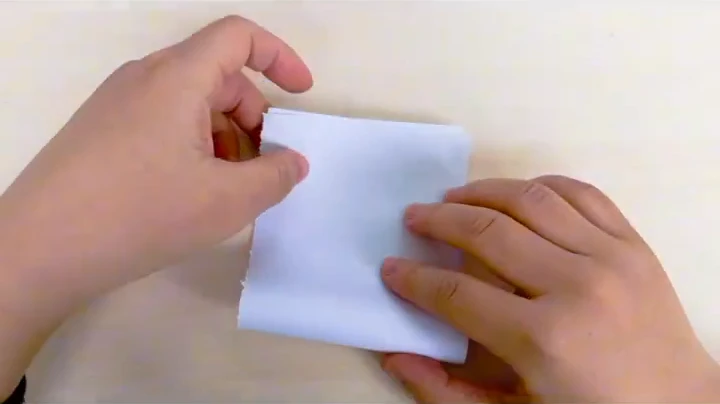
Turn the narrow packet upright. Find the long side where every layer bends back into the stack. In the photographs this is the left side. The other long side includes free edges; the drawn arm will reach to that side. If the layers are hard to tell apart, let the stack open slightly at one end and look for the bends before pressing it closed again.
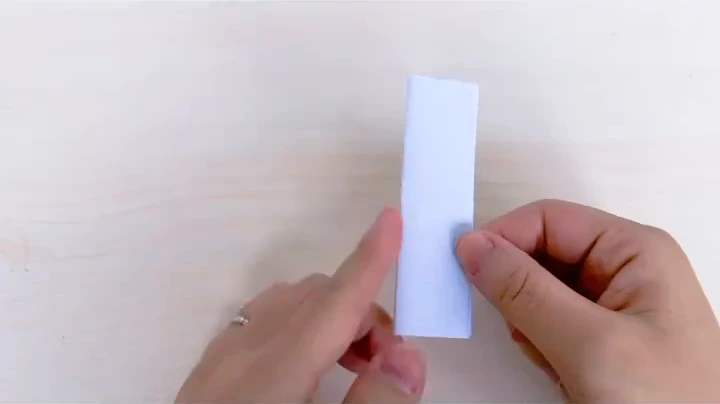
Draw half a figure from edge to edge
Draw half a head, half a torso, one arm, and one leg. Place the center of the head and torso on the fully folded left side, where the other half will mirror them. Extend the arm all the way to the right edge. Give the hand a short, visible stretch along that edge so you can see where the upper and lower arm lines stop. If the arm ends inside the panel, there will be a gap between neighbors.
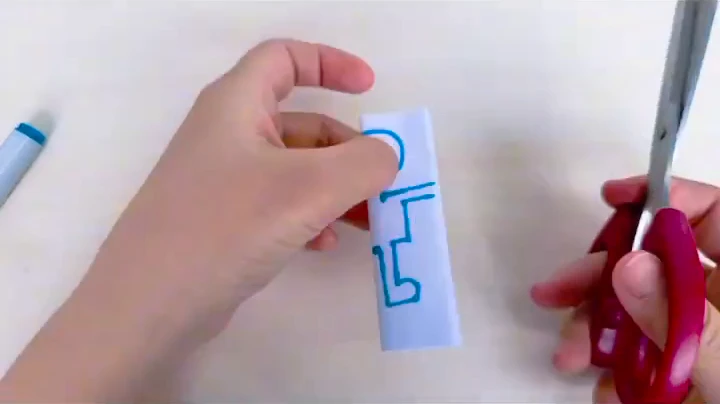
Cut around the outline and open the chain
Hold the layers together in a broad area away from the blades. Cut out the paper around the drawn shape. Leave the folded paper at the middle of the head and body and leave the short edge between the two arm lines uncut. At the arm, cut up to the hand from above and from below. When both cuts reach the right edge, set down the scissors. The narrow strip between the cuts is still there.
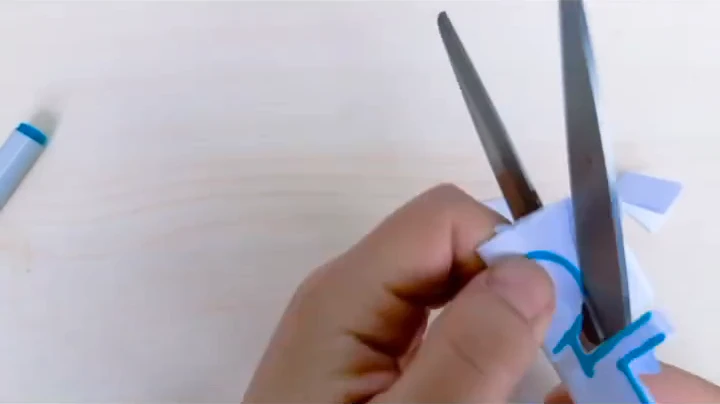
Set the piece on the table and open one crease at a time, moving the bodies as you unfold. Count four whole figures and look for three joins between their hands. Each of those joins lies on a crease that you left uncut. The outside hands at the ends of the row are free. If a person comes away, lay it next to the remaining figures and check whether the straight ends of the arms meet at the former fold. For your next cut, draw the hand to the edge and leave a wider stretch of it intact.
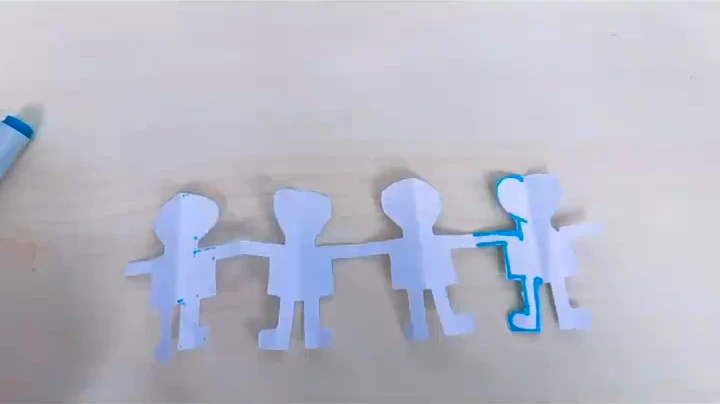
The paper stays connected wherever the pattern crosses a fold that you preserve.
BeenEast Editorial. The Yantai lesson explains the background principle of preserving connections at a crease in its section on four-petal folding. This photographed practice uses its own strip and fold sequence.
References
Yantai education lesson on symmetrical and continuous paper cutting