

Why Did My Tie-Dye Come Out Pale After Washing?
Tell normal washout and pattern whites apart from weak color, then test the fabric, dye mix, or reaction conditions on cotton scraps.
By BeenEast Editorial · Published · Reviewed
Judge the dry color first
Some color loss after the first wash is normal with fiber-reactive tie-dye. Rinsing and washing remove dye that did not bond to the cloth, and wet fabric often looks darker than dry fabric. Judge the shade after the maker’s full washout sequence and once the fabric is dry. If the areas you meant to dye are still too pale, start with the fabric and the dye instructions.
Sources: Dharma Trading — Tie-Dye Instructions
This guide covers cotton dyed with a fiber-reactive dye such as Procion MX, which can form a chemical bond with cotton. Indigo and other dye systems use different methods, so identify the dye from the package before applying these checks.
Sources: Jacquard — Procion MX fiber-reactive dye
To see what changes at each stage, photograph the same patch of a test scrap three times: just before the first rinse, after the full wash while the cloth is still wet, and when it is completely dry. Use the same lamp, background, camera angle, and exposure. A seam or a distinctive fold line helps you find the same area in every photo.
Compare the two wet views to see what changed during washing. Then compare the washed wet view with the dry one to see how drying changed the appearance. Use the dry view to decide whether the area you meant to dye is too pale. Differences in dampness and lighting can change how dark the cloth looks, so the photos cannot tell you how much dye washed out.
Aubree Originals shows the same turquoise spiral shirt before rinsing and after washing and air-drying. The set skips the wet stage after washing. The author notes that the lighting makes the finished shirt look paler in the photo.
Separate pattern whites from weak color
On the dry cloth, compare two places: a pale area along a fold or tie and an area you applied dye to directly. If the pale marks follow the binding and the open areas are as dark as intended, the contrast is part of the resist pattern. If the open areas are pale too, check how much color reached and bonded to the cloth.

If just one side or pocket of the design is pale, first check whether you applied dye there. If one shade is weak across several directly dyed areas but the others held, check that shade’s mixing directions before changing the whole batch. The pattern narrows what to check; it cannot identify the cause by itself.
Match the fabric and the dye mix
Check the fiber percentages on the care label against the dye maker’s compatible fibers. Procion MX colors the cotton portion of a cotton–polyester blend, while the polyester can stay much lighter. A prewashed white scrap labeled 100% cotton gives you a known starting point. Skip fabric softener before dyeing so it does not interfere with uptake.
Sources: Jacquard — Procion MX fiber-reactive dye · Dharma Trading — Tie-Dye Instructions
Check the amount of dye against the amount of water for your exact product and shade. Dharma, for example, flags some shades that need more powder in its tie-dye recipe. If your label, shade, or measured quantities are unknown, start with a fresh mix made to the directions and record what you used.
Check the conditions before rinsing
For Procion MX, soda ash raises the pH so more dye can react with the cotton. Follow the method for your product: a separate presoak is one option, and some products already contain the alkali. Check the package before adding anything extra.
Sources: Jacquard — Procion MX fiber-reactive dye · Jacquard — Soda Ash Dye Fixer
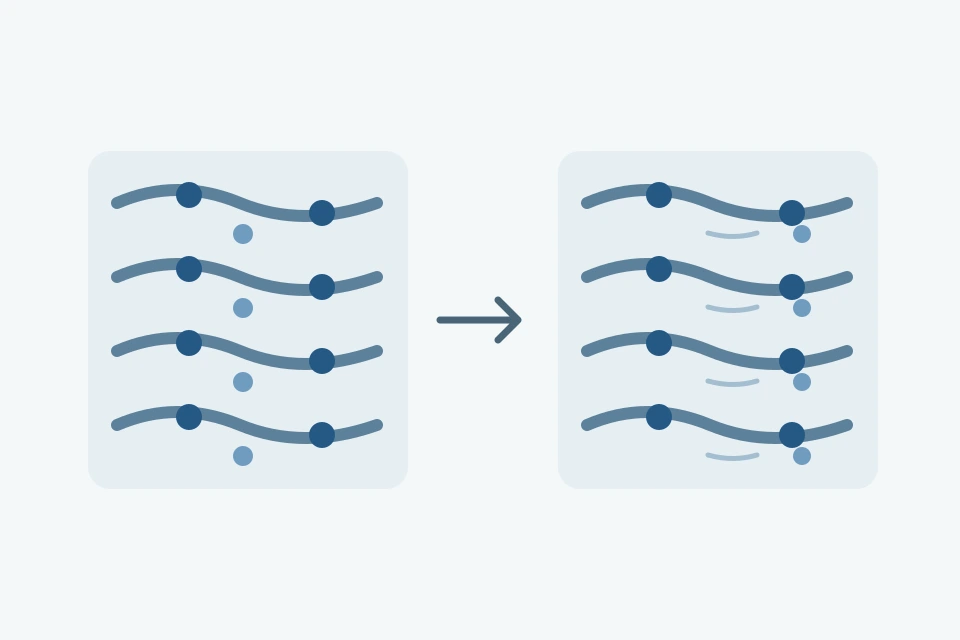
Check how long the cloth stayed damp after dye application, and how warm it was during that time. In Dharma’s method, a cool room slows the reaction, and the cloth is covered to keep it damp. If you rinsed too soon or the bundle dried out, correct that condition on the next test. Keep the product’s full washout sequence so you compare the color that actually remains.
Run a test that answers one question
If the wait time is your main suspect, cut two scraps from the same prewashed cotton. Use the same freshly mixed dye, amount applied, fold, soda ash step, temperature, and moisture for both. Rinse one at the time you used last time and the other after the maker’s recommended wait. If the only question is whether the garment fiber is suitable, compare an offcut of that fabric with known cotton under the same dyeing conditions; any difference reflects the fabrics as a whole, including their construction and finish.
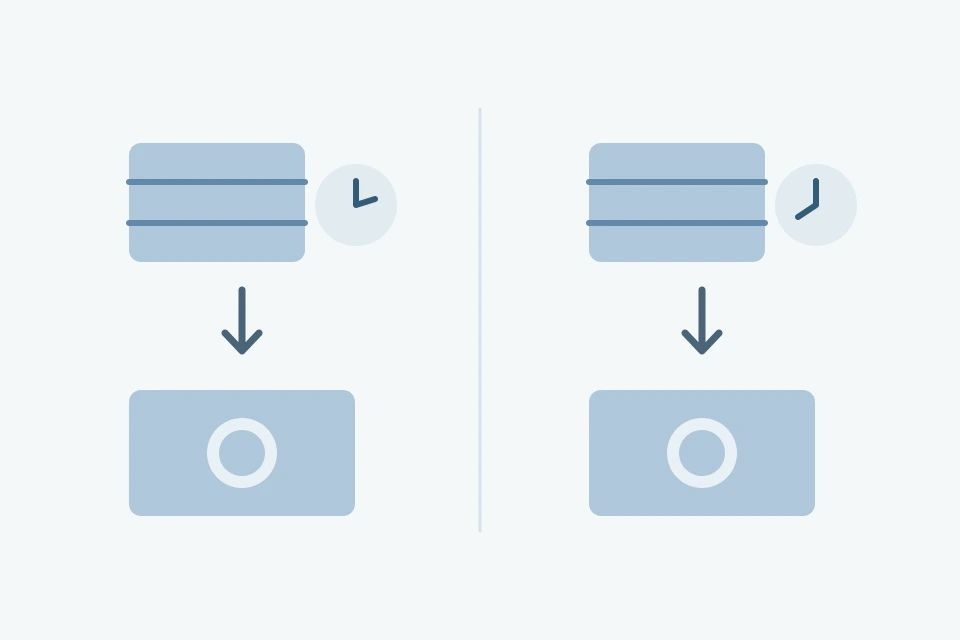
Wash each sample the same way and let both dry. Lay them side by side in the same light and compare the directly dyed areas. If the corrected sample is darker, keep that change in the next batch. If both are still pale, keep the corrected setting and check the next likely cause. If you cannot reconstruct the original method, treat a successful test as a new baseline rather than proof of what went wrong.
Continue reading
Reuse and citation
English PDF and Markdown contain the text; their photo links open the illustrated guide.
BeenEast Editorial. Why Did My Tie-Dye Come Out Pale After Washing?. Version 1.0 (2026-11-13). https://community.beeneast.com/guides/hand-dyeing-pale-tie-dye
Prepared by BeenEast Editorial. The diagrams illustrate the troubleshooting method and the proposed test.
References
Dharma Trading — Tie-Dye Instructions