

Why firing is not the last step for a cloisonné bangle
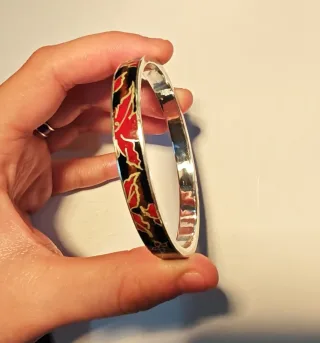
Compare three new workshop photos of a cloisonné bangle to see why firing is followed by finishing work on its colored face, narrow rim, and inner band.
linlinObjects, details, and ideas worth keeping.
Compare three new workshop photos of a cloisonné bangle to see why firing is followed by finishing work on its colored face, narrow rim, and inner band.
linlin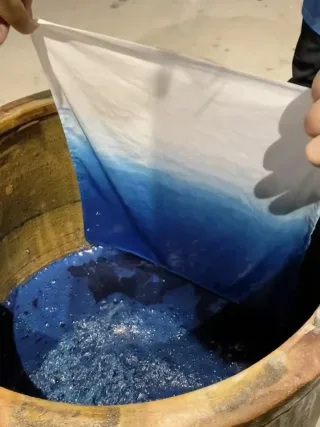
Follow one square of cloth through repeated partial dips, lifts, and outdoor drying to see how white fades into deep indigo.
yincheng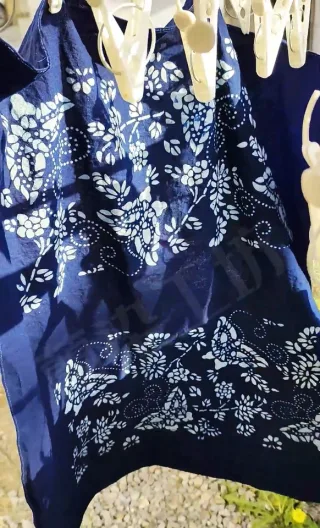
Follow one piece of Chinese indigo cloth from stenciling and dyeing to scraping, and see how butterflies and dotted curls stay pale.
yincheng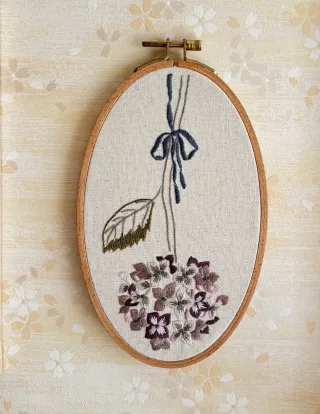
See where the extra cloth goes behind an embroidery hoop, how it gathers, and what a sewn felt backing covers.
max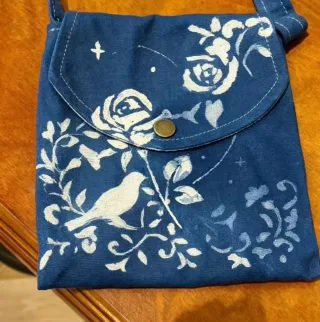
Follow one cloth bag through wax painting, indigo dyeing, and wax removal to see where a pale bird and curling leaves appear.
yincheng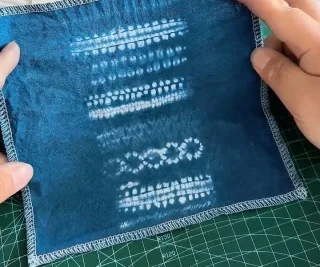
Follow one cloth as yellow stitches pull it into gathers and the blue fabric opens to reveal pale rows and loops.
yincheng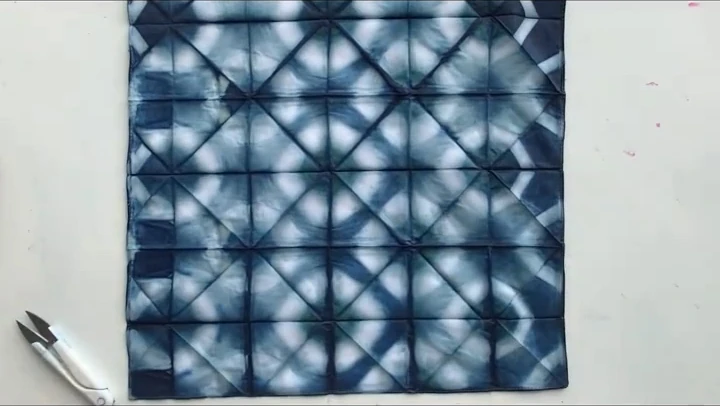
Follow one folded cloth as the wooden slats come off and pale patches repeat across a grid of dark blue diagonals.
yincheng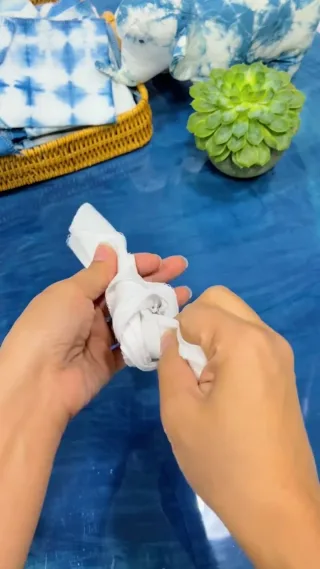
Follow one folded cloth from tying to opening and see how pale bands emerge between darker blue marks.
yincheng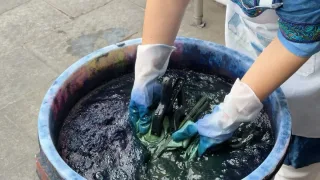
Look at a dark indigo vat and a greenish cloth bundle to see why air exposure changes the color you see during indigo dyeing.
yincheng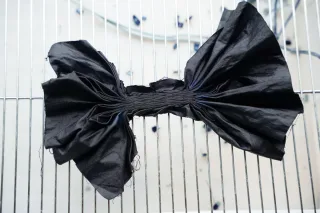
Look at folded blue-dyed cloth on a rack and pale bands on separate bundles to see what the fabric reveals before it is spread flat.
yincheng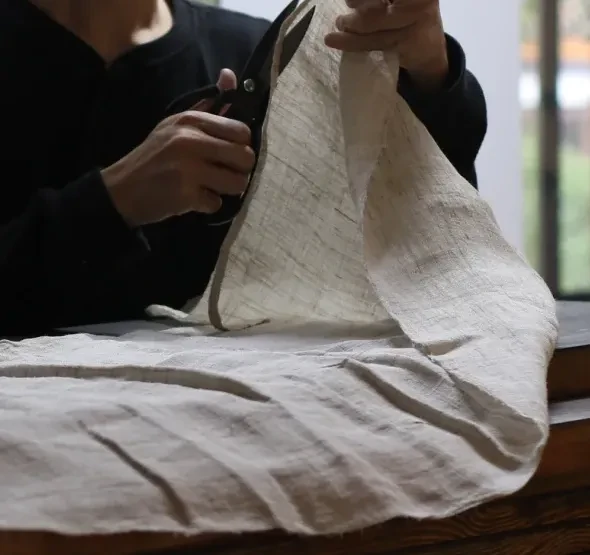
See a cloth-cutting stage in lacquer-panel preparation, focusing on the fabric, scissors, supported edge, and what the workshop photo documents.
guoguo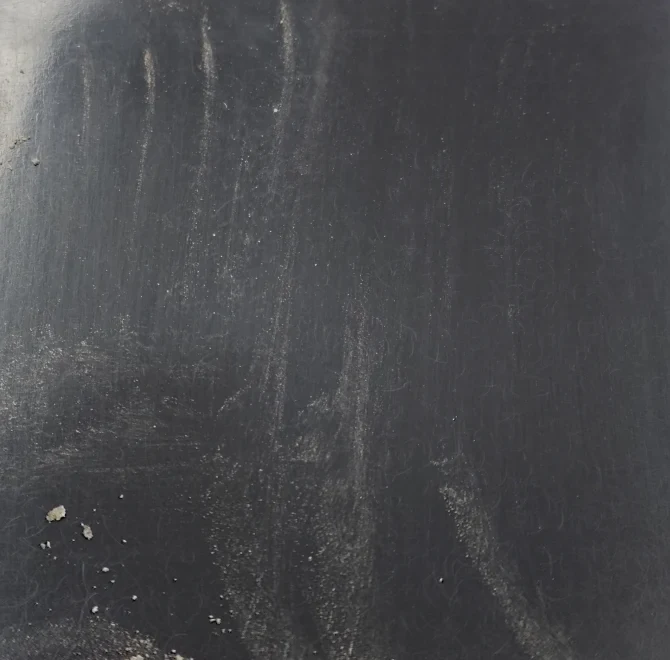
Look at fine lines, changing sheen, and pale particles on an unfinished lacquer panel, and learn what one intermediate-stage photo can establish.
guoguoGet to know the materials, the making, and the people behind the pieces.
Explore crafts